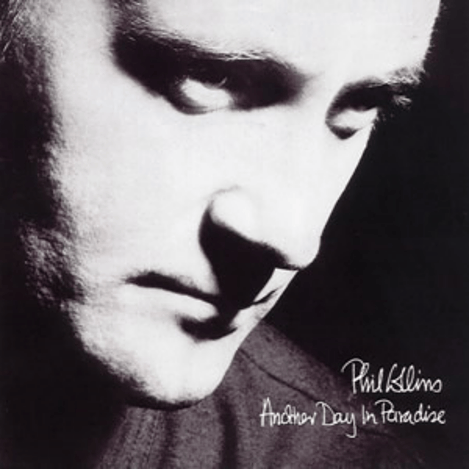
The listener is warned to take care, Collins reminds us of our oblivion, our heedlessness to the heaven all around us.
Mendicants. Detail from Buffalmacco, Trionfo di Morte. 1336-1341. Camposanto, Pisa. Public Domain.
The ones on the street, the beggars we purposefully refuse to see, carefully step over, pass by, is an old story that goes hand in glove, Ivan Illich also underlines this in his reflections on the parable of the Good Samaritan which Illich, being Illich, makes more rather than less problematic as a parable: the Samaritan, Illich tells us, is a Palestinian.
Rembrandt, The Good Samaritan, 1633.
One is to choose one’s neighbor, Illich says, and the change or shift from Judaism and the neighbor, like the Greek friend that must, as Plato says is an old story in archaic Greece, be treated kindly by contrast with the enemy, for Illich, one’s neighbor, this is the shock teaching of the good news, as this no longer includes proximate distinctions or those traditionally made between Jew and Greek, slave and freeman, male and female, and this entire essay shows how problematic that has to be, but one’s neighbor, Illich argues, must be chosen and can be freely forgotten any time one wishes.
You can think twice.
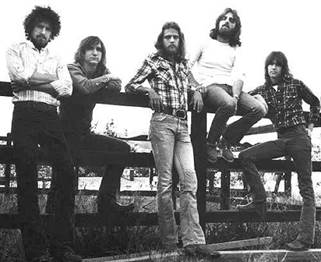
Going back with a fairly broader sweep to the Eagles, 1976 Last Resort, indicting as Plato did, our thoughtlessness…Phil Collins, in 1981, I can feel it coming in the air tonight, oh Lord
Like The Bee Gees’ Too much Heaven, one can ‘see beyond forever’.
Love — if it is love — is forever and beyond.
But there are more truncated reflections and Dylan’s 1973 Knocking on Heaven’s Door takes the perspective, very male, of a dying officer, there is a “Badge” and the importance of burying, even as one is still alive, this is the knock, and the reference to the dark, “It’s getting dark, too dark to see.”
There are ways to raise the question of women in heaven but they are elusive.
The Blue Oyster Cult’s 1976, Don’t Fear the Reaper, assures us that ‘Romeo and Juliet are together in eternity’ still the language, like that of Algernon Charles Swinburne’s 1876 Forsaken Garden, reflects on the equanimity transcending both failed and kept promises of eternity, a tiny opera in a poem on what is forgotten and past,
And or ever the garden’s last petals were shed, In the lips that had whispered, the eyes that had lightened, Love was dead.
Swinburne’s Victorian voice is could not be more contemporary, the poet more blasé: tossing in the dialectic in the tiny word, the logical neutrality of disjunction.
Or they loved their life through, and then went whither? And were one to the end — but what end who knows? … Shall the dead take thought for the dead to love them? What love was ever as deep as a grave? They are loveless now as the grass above them Or the wave.
Swinburne’s poem is not a paradise poem, it is a poem, contra myth, whether of love or death, on the death of death. The stark vision Swinburne gives has been analyzed, one needs the south of England it is said, but the poem’s last line, ‘Death lies dead,’ takes its time to get there.
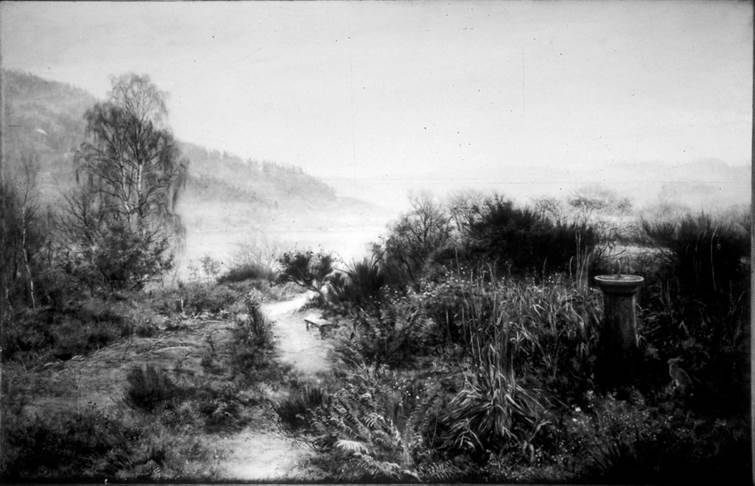
Millais, Deserted Garden. 1875.
Here death may deal not again for ever; Here change may come not till all change end. From the graves they have made they shall rise up never, Who have left nought living to ravage and rend. Earth, stones, and thorns of the wild ground growing, While the sun and the rain live, these shall be; Till a last wind’s breath upon all these blowing Roll the sea.
Like Freud’s fort da, also Victorian, Don’t Fear the Reaper’s reflex: ‘here, but now they’re gone’ is magnified by 40,000, again and again, everyday, the point being, thus the song, ‘we’ll be able to fly.’
Babette Babich, Professor of Philosophy at Fordham University in New York City, has wide-ranging interests, with a special focus on the philosophy of science, philosophy of technology, including digital media, as well as art and aesthetics, conceived from the perspective of (classical) continental philosophy. She is interested in themes associated with classics, museum studies, political philosophy, and such.
View more posts